

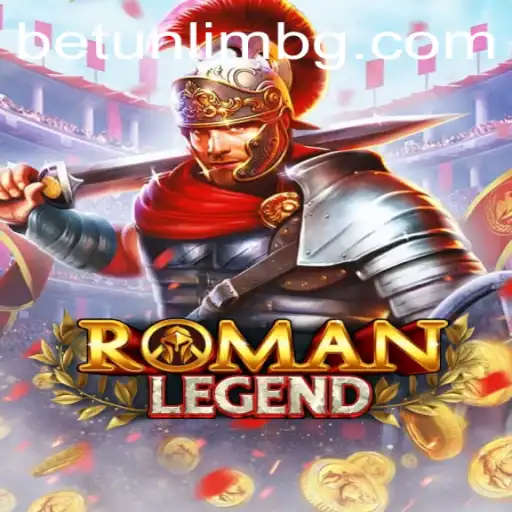
Embarking on the Epic Journey of RomanLegend
RomanLegend transports players to an immersive realm inspired by the grandeur of ancient Rome. This dynamic game brings to life the tales of Roman gods, legendary warriors, and political intrigue, merging historical accuracy with fantastical elements. With the unique integration of the keyword 'qqqjogo', RomanLegend stands out in the gaming landscape, promising an experience that balances tradition with modern innovation.
The Birth of RomanLegend
With a vision to capture the essence of Rome’s historical depth, the creators of RomanLegend embarked on a journey to weave a narrative that resonates with both history buffs and fantasy enthusiasts. The rich tapestry of Roman mythology serves as both backdrop and participant in this narrative-driven strategy game. Launched amidst unprecedented global changes, RomanLegend leverages technology to create an engaging and interactive experience.
The game debut coincided with a technological renaissance in gaming, characterized by a surge in AI-driven storytelling and interactive experiences. This allowed RomanLegend to incorporate real-time decision-making elements, further immersing players in its storyline. It is a product of its time, reflecting the societal shifts towards collective global awareness and cultural nostalgia.
The Intricate Gameplay of RomanLegend
At its core, RomanLegend is a strategy game where players must navigate the complexities of Roman society, from leading armies to political maneuvering. The game begins with the player assuming the role of a Roman noble chosen by the gods to avert an impending doom.
Initial Setup and Objectives
Players start by customizing their character, choosing from various backgrounds and skill sets that influence their path throughout the game. Each choice affects the trajectory of the story, providing a unique experience every time. The primary objective is to unite the Roman factions to face a common threat, which aligns with the concept of 'qqqjogo'—a notion of blending forms or ideas to create something new or unexpected.
The Role of Roman Mythology
Roman gods play a pivotal role, offering players choices that range from straightforward to morally complex. The deities serve both as guides and antagonists, their motives often shrouded in mystery, adding an extra layer of depth. Players must interpret omens, engage in rituals, and earn divine favor to obtain abilities that aid in completing quests.
Understanding the Rules and Mechanics
RomanLegend blends traditional turn-based strategy mechanics with real-time battle scenarios. In this hybrid system, players must alternate between meticulous planning and adaptive execution. The game's rules are rooted in historical accuracy, with players managing resources such as grain, gold, and manpower drawn from actual Roman accounts.
Strategic Alliance Building
Key to progressing in RomanLegend is the art of alliance building. Players interact with historic Roman factions such as the Senate, the Patricians, and the Plebs, each requiring different approaches and diplomatic skills. The game reflects current socio-political themes, emphasizing the importance of alliances in a world where isolation can lead to downfall.
Combat and Warfare Dynamics
Combat in RomanLegend is intricate and requires keen tactical insights. Players command legions in military campaigns that mimic actual Roman battle formations. Success depends on understanding terrain, troop morale, and leadership skills. Each victory brings new challenges, reflecting the unpredictable nature of warfare.
Influence of Current Events
RomanLegend's development did not occur in isolation; it was influenced by contemporary issues such as climate change, political unrest, and technological innovations. Dynamic weather systems in the game simulate the impacts of climate on agriculture and warfare, a nod to current environmental concerns. Similarly, the political narrative reflecting themes of unity and division speaks to today's headlines, offering players an avenue to explore these issues in a historical context.
The game's creators have also embraced technological advancements by integrating AI-driven NPCs, which adapt and react to player decisions in real-time, creating a personalized gaming experience. This evolution within RomanLegend mirrors broader shifts in how narratives are constructed and consumed, making it a reflective piece of interactive entertainment.
Conclusion
RomanLegend stands as a testament to the potential of games to be more than just recreational activities. It is a sophisticated amalgam of history, mythology, and strategy interwoven with the persistent advancement in gaming technology. As players delve deeper into its complexities, RomanLegend invites them to not only engage with the past but also to reflect on present-day realities, making it a truly timeless adventure.