

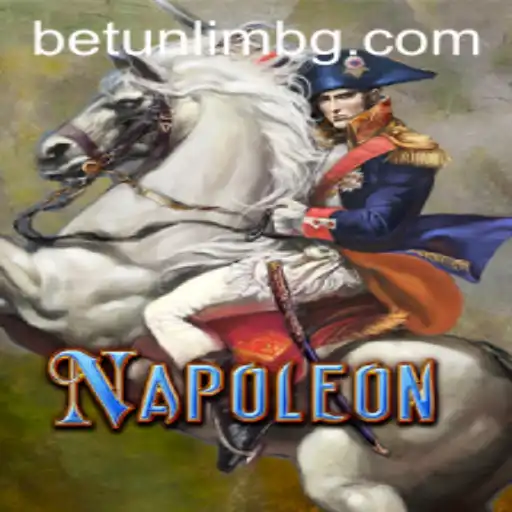
Unveiling the Strategic World of Napoleon: A Classic Card Game
In the vast universe of card games, where games like Poker and Blackjack often steal the limelight, there lies a gem that has delighted enthusiasts for generations. The card game known as Napoleon is not only a test of strategy but also a fascinating narrative of historical intrigue intertwined with riveting gameplay.
Introduction to Napoleon
Named after the legendary French leader, Napoleon may not directly involve battles on the field, but it is every bit a war of wits that requires foresight, strategy, and a keen understanding of human behavior. This game has seen a resurgence among players, particularly with the popularity of online platforms and keyword searches such as "qqqjogo" pointing to its digital adaptations.
The allure of Napoleon lies in its simplicity and depth, a common characteristic shared by enduring games. At its core, Napoleon is a trick-taking game that exhibits similarities with other classical card games such as Euchre and Whist but carries its distinct flair and rules that make it a unique challenge.
The Historical Context of Napoleon
While the exact origins of Napoleon are somewhat shrouded in mystery, it is generally believed to have emerged in the nineteenth century, possibly inspired by or during the Napoleonic Wars. The thematic connection to Napoleon Bonaparte elevates the game's narrative, giving players the thrill of masterminding strategic victories, reminiscent of the famous general's tactical prowess.
As with many historical card games, Napoleon has traveled across borders, evolving and adapting to the preferences of various cultures. This adaptability has contributed significantly to its enduring charm and continued relevance in today's gaming landscape.
Getting Started with Napoleon: The Rules
For those new to Napoleon, the game accommodates between three to seven players, with a five-player setup being the most traditional. It uses a standard deck of cards, excluding the Jokers, and begins with the dealer distributing six cards to each player.
ObjectiveThe primary aim in Napoleon is for one player to declare a "Napoleon" and successfully capture a set number of tricks, akin to military victories, while the others cooperate to impede this goal.
Bidding ProcessThe game initiates with a bidding phase, similar to many trick-taking games, where players decide how many tricks they aim to win based on their initial hand. The highest bidder becomes the "Napoleon," setting the stage for their strategic endeavor.
Players announce their bids in descending order, such as "Three" or "Four," representing the number of tricks they intend to capture. The stakes are further heightened with special bids like "Napoleon," a bold declaration by a player claiming they will take all tricks, often leading to dynamic and high-risk gameplay.
Gameplay DynamicsOnce a Napoleon is declared, the bidding concludes, and the game transitions into a trick-taking phase. The Napoleon dictates the suit in play, known as the trump suit, granting the lead player strategic advantage over opponents. Intriguingly, players must follow the suit led or play a trump card if possible.
Napoleon's charm is amplified by the subtle interplays as opponents form strategies to collaborate against the Napoleon, balancing the need for defense with occasional opportunities to capture tricks themselves.
Scoring and StrategySuccess in Napoleon is dictated by the number of tricks captured relative to the bid. The Napoleon must secure their bid or risk losing points, which adds an edge of intensity to the proceedings. The tactical depth of Napoleon emerges as players optimize their card strengths, anticipate opponents' moves, and adapt dynamically to the game's flow.
Modern Day Napoleon: Current Trends and Online Adaptations
As gaming trends evolve and digital platforms gain prominence, Napoleon has seamlessly transitioned into the virtual realm. The search term "qqqjogo" has increasingly directed enthusiasts to online versions of Napoleon, where the classic game enjoys a fresh vitality, allowing players to connect from various locations.
The appeal of playing Napoleon online is underscored by features like customizable rules, graphical enhancements, and social interaction options, providing players with an enriched gaming experience. This digital resurgence has also encouraged the blending of traditional card-playing communities, creating a vibrant tapestry of international competition and camaraderie.
Moreover, the digital format facilitates greater accessibility for newcomers eager to dive into the world of Napoleon, with online tutorials and forums offering guidance and fostering skill development.
The Strategic Renaissance of Card Gaming
In the current era where digital entertainment options are virtually limitless, the resurgence of interest in traditional games like Napoleon signals a revival of strategic gameplay. This phenomenon highlights a broader trend among gamers seeking intellectual challenges, communal interaction, and the legacy of classic storytelling through games.
Napoleon, with its strategic depth and historical narrative appeal, epitomizes the modern-day renaissance of card gaming, connecting players with its storied past while offering an accessible platform for contemporary exploration.
As Napoleon continues its march into digital realms, it reinforces the timeless appeal of strategic card games, providing an engaging pursuit for generations both past and present, promising a richly rewarding experience that spans beyond the boundaries of the game itself.